I helped launch Meta Is Dope Studio with Meta Is Dope and POPR Technologies Inc. in early October. It is a commercial, browser-based workspace for glitch art, image transformations, generative stills and mathematical animation. I am keeping access free during a temporary stabilization period for experimentation and testing, but the product will eventually require paid access. You can start without an account.
What is Meta Is Dope Studio, and who built it?
I made the studio with Jennifer Ruff and the POPR Technologies team as a place for art in signal, image and motion. Jennifer and I co-own the studio. Meta Is Dope is an independent New York creative house, and POPR retains its underlying mathematical research and licenses it to the studio.
The work grew from Signal Garden and Algorithmic Transmutation, two tools I first built on POPR Tools. We moved them into a dedicated browser studio for glitch and algorithmic art. The studio has been live since early October 2026. My team used AI-assisted engineering tools to develop the software; that does not mean AI generates the artwork.
What can artists make with the studio's six tools?
I brought six tools together in the studio. Signal Garden applies raster treatments, palette shifts and signal texture to an image. Glitch Engine arranges glitch treatments into a transformation workflow, while Transmutation reshapes an image through mathematical systems. Image Fields creates maps and patterns from a source image. Moving Worlds turns a word or phrase into generative mathematical animation, and Generative Studio builds still artwork from mathematics without a source photo.
I wanted more than a single-purpose glitch art generator. You can begin with an image, explore computer art from a phrase, or build a still world from mathematical settings. We describe the Meta Is Dope Engine as experimental research and development. It sits alongside established approaches such as pixel sorting, reaction-diffusion and Voronoi cells.
How does Shuffle turn one image into different looks?
Shuffle combines one to three selected engines in a run, with Classic Mix as the default. You can add optional experimental cards, change the seed, and compare the result with the original on a slider. Evolution presents three candidate variations from a look you choose, then lets you continue from one. A saved recipe records settings, but it does not guarantee pixel-identical results across browsers. We have not established cross-browser pixel identity.
What does a before-and-after transformation look like?
I have included a supplied source portrait beside its Studio treatment to show one kind of visual change the workflow can produce. It is an example, not a promise that every upload will produce the same style or result.
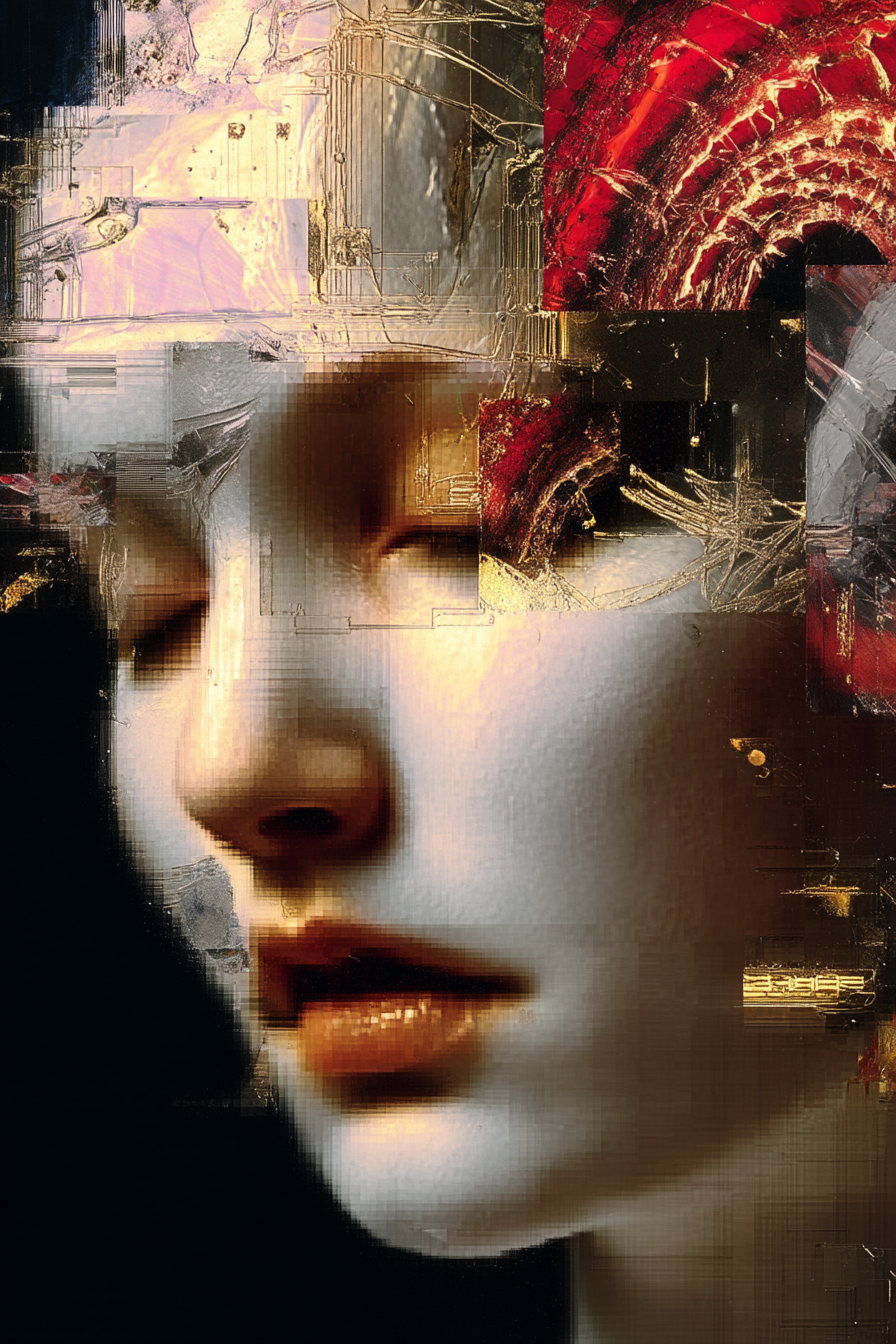
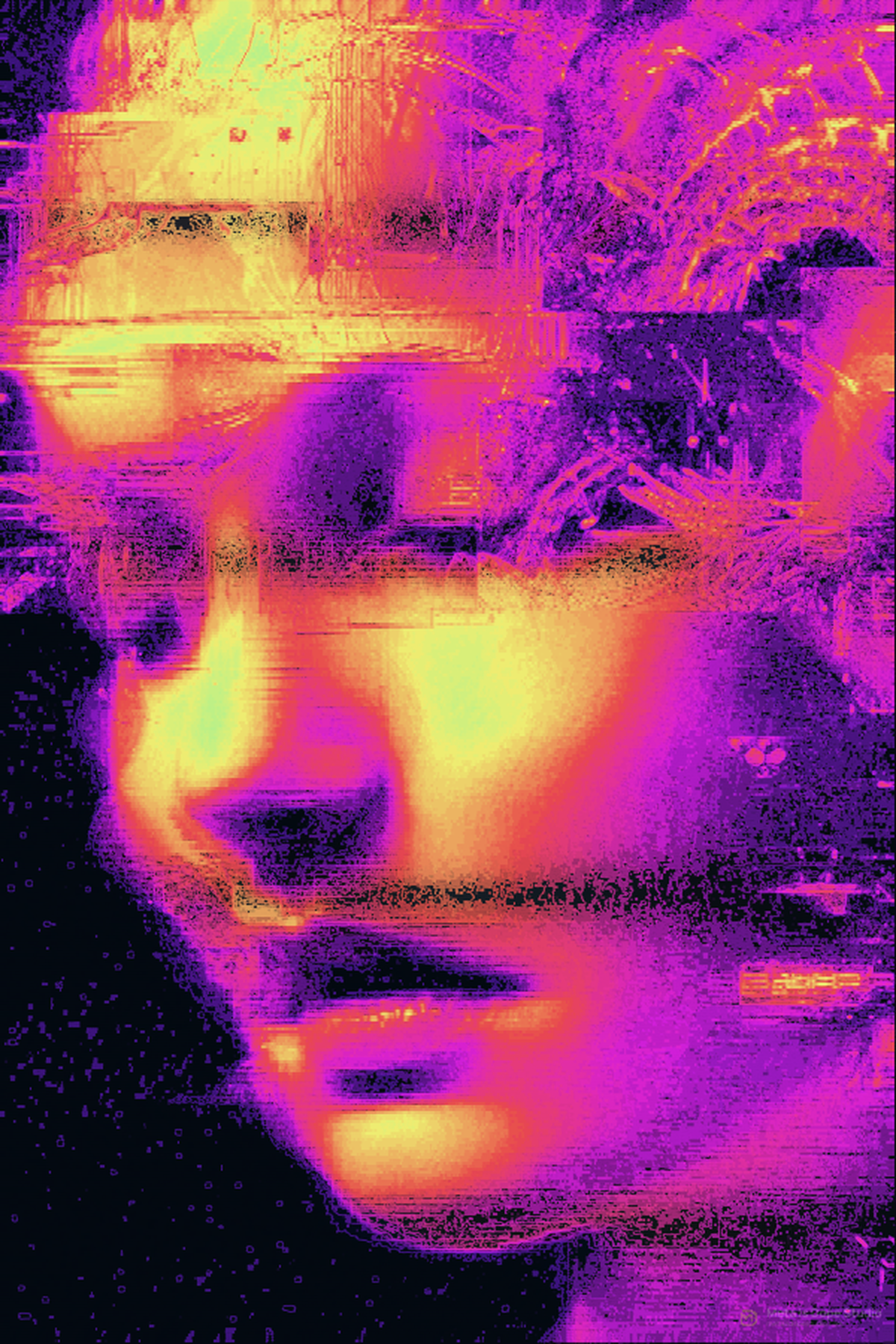
I see the comparison as one artistic option, not proof of universal originality, exclusivity or copyright eligibility. The Studio does not guarantee those outcomes.
Can Moving Worlds make an animation from a phrase?
Moving Worlds uses mathematical rendering, not an AI image-generation model, to turn a word or short phrase into a looping artwork. You can also create a loop from a generated still. GIF duration and dimensions depend on the workflow and appear in the export controls.
The About page permits personal and commercial use of Moving Worlds artwork while its visible Meta Is Dope Studio signature stays in place. That permission covers Moving Worlds artwork only. It does not license the engine, your source image or third-party material.
What can a creator save, and what does the Studio not do?
You can export PNG artwork, keep work in your browser, save a recipe and export a short loop from Moving Worlds. A recipe stores the settings behind a look so you can return to those choices. The Studio makes files; it does not mint, list or sell artwork for you.
I built it for digital artists, illustrators, musicians making cover art and people preparing designs for prints or merchandise. Before you share or sell an output, check the rules of the platform you use, including any policies on AI-assisted work, and make sure you have the rights to your source material.
Are uploaded images processed privately?
The Studio processes selected image files in the browser. In our testing, no image, frame or exported file was sent to a server. The hosting platform does run page-view analytics and may record details such as the page address, title, referrer, screen size, language and host name. Browser storage and possible technical cookies from that platform are separate from image processing. Our test does not mean the site has no analytics or that no data is ever logged.
Why does this launch matter to algorithmic and computer art?
I launched the studio because artists should have more ways to transform an image and make a look their own. “We're artists first and developers second” is how I describe our approach. Meta Is Dope Studio brings source-image treatments, generative stills and mathematical animation into one browser workspace. It adds another option to the glitch art and computer art categories; I am not claiming the category is new or that this is the first tool of its kind. Our research remains experimental, and I want people to judge the studio by what they can make with it.
How can someone try Meta Is Dope Studio?
You can open Meta Is Dope Studio without an account, sign-up or email. As of October 12, 2026, I am keeping access free during stabilization for experimentation and testing. This is a commercial product, and it will eventually require paid access. The About page explains ownership, image handling, third-party material and the limited commercial permission for Moving Worlds artwork.